
Kakadu National Park, a UNESCO World Heritage site, is a place of contrasts and beauty. 19,000 square kilometres of ancient cultures, stunning landscapes and biodiversity. Among many treasures, Kakadu’s waterfalls are the hidden ones. Serene is lesser known and a peaceful escape into nature’s wilderness. This guide will take you deep into these hidden gems and the cultural and natural wonders that make Kakadu National Park a must-see.
Kakadu Magic
Kakadu National Park is not just about waterfalls; it’s about the Aboriginal culture that is deeply connected to the land. The park has some of the most significant Aboriginal rock art sites in the world, Ubirr Rock and Nourlangie Rock Art Site. These ancient rock art galleries give you a glimpse into the spiritual and cultural life of the Aboriginal people, with paintings thousands of years old. The stories in the rock art connect you to the ancient culture and sacred sites that have been revered for generations.
The park has many landscapes, from rugged escarpments to vast wetlands, each with its own experiences and adventure. Whether you’re taking a Kakadu Scenic Flight to see the waterfalls from above or cruising along the Yellow Water Billabong, where you might see giant crocodiles basking in the sun, Kakadu National Park is like no other.
Kakadu’s Hidden Waterfalls
Motor Car Falls

Motor Car Falls is one of the park’s hidden gems located in the southern part of Kakadu National Park. The hike to the falls is a moderate-level walk, suitable for most people and best done in the dry season. As you walk along the trail, you’ll be surrounded by the ancient landscape, which offers opportunities to see native wildlife and take in the rugged beauty of the area. The waterfall is a stunning sight, clear water cascading into a peaceful pool surrounded by greenery. A great spot to take a swim after the walk and unwind and connect with nature.
Graveside Gorge
Graveside Gorge is a remote area of Kakadu that requires a moderate level of fitness. The trail is tough, through dense bush and rocky terrain, but worth the effort. At the end of the walk, you’ll find a secluded waterfall that flows into several deep, cool pools. The ancient rock formations surrounding the gorge are amazing, perfect for the adventurous and those seeking solitude. The indigenous culture is deeply connected to this land, and visiting Graveside Gorge is a unique opportunity to connect with the ancient culture of the Aboriginal people.
Jim Jim Falls
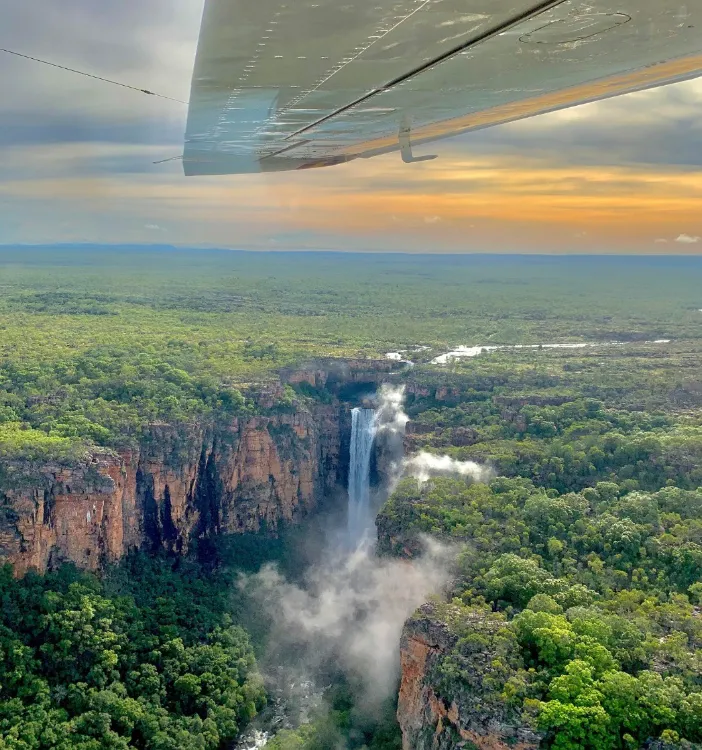
Jim Jim Falls is the most famous of all Kakadu’s waterfalls. Not entirely hidden but an experience not to be missed. The cliffs and water are dramatic, humbling, and exhilarating. The hike to Jim Jim Falls is tough; you need to be fit, but the reward is close to one of Kakadu’s most beautiful natural features. In the wet season, the falls are at their most powerful, with water thundering down from above. In the dry season, the waterfall slows to a trickle, and the plunge pool is pristine and inviting to sit and soak in the natural beauty. For an even more amazing experience, take a Kakadu Scenic Flight over Jim Jim Falls and see it from a different perspective.
Twin Falls
Just near Jim Jim Falls is Twin Falls, another of Kakadu’s secrets. Accessible by boat and a short walk, Twin Falls is more secluded and peaceful. The falls cascade into a big pool surrounded by cliffs and vegetation. The area around Twin Falls is rich in indigenous culture, with many sacred sites nearby. The journey to Twin Falls is an adventure in itself, with the boat ride offering stunning views of the surrounding wilderness. Best to visit in the dry season when the water levels are lower and access is safer and easier.
Gunlom Falls

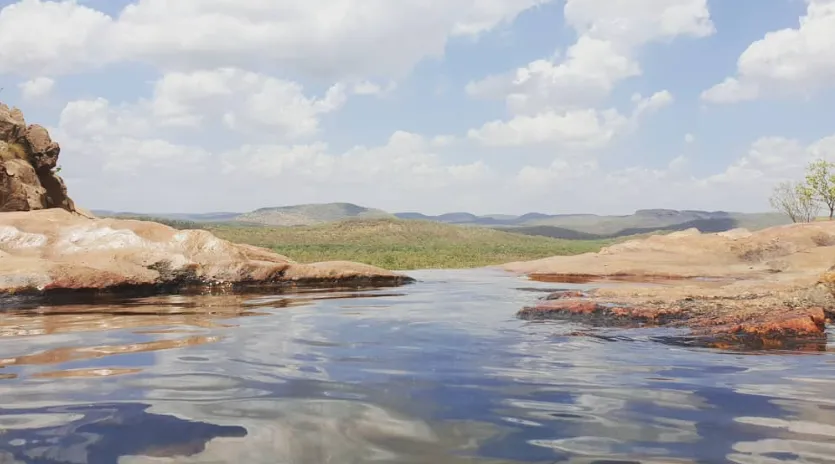
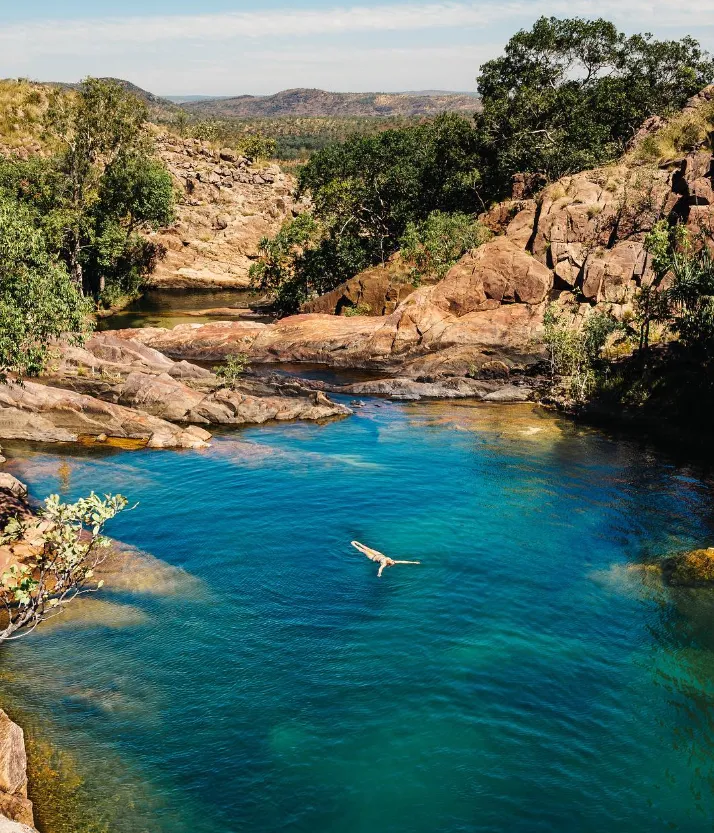
Gunlom Falls, also known as Waterfall Creek, is another must-see in Kakadu National Park. This waterfall is famous for its natural infinity pool at the top, which has views of the ancient landscape below. The hike to the top of Gunlom Falls is tough; you need to be fit, but the reward is a dip in one of Australia’s most beautiful pools. The lower pool is also great for swimming, with clear water and a sandy beach-like area. The area around Gunlom Falls is rich in Aboriginal culture, with many ancient rock art sites nearby, so Gunlom Falls is a natural wonder and a cultural treasure.
Table: Kakadu’s Hidden Waterfalls at a Glance
| Waterfall | Location | Difficulty | Best Time to Visit | Unique Features |
|---|---|---|---|---|
| Motor Car Falls | Southern Kakadu | Moderate | Dry season | Crystal-clear waters, serene pool, ancient lands |
| Graveside Gorge | Remote area | Challenging | Dry season | Deep pools, ancient rock formations |
| Jim Jim Falls | Central Kakadu | Moderate | Wet and dry seasons | Towering cliffs, dramatic landscape, scenic flight |
| Twin Falls | Central Kakadu | Moderate | Dry season | Secluded cascade, boat ride, sacred sites |
| Gunlom Falls | Southern Kakadu | Challenging | Dry season | Infinity pool, panoramic views, ancient rock art |
Beyond the Waterfalls

Kakadu is not just about the waterfalls. The park is a living cultural landscape home to one of the oldest continuing cultures on earth. The Aboriginal people have been here for more than 65,000 years, and their connection to the land is evident in the many sacred sites and rock art galleries throughout the park.
Aboriginal Rock Art and Cultural Sites
The rock art at Ubirr and Nourlangie Rock is some of the most important in the world. These ancient rock art sites tell the stories of creation, daily life and the spiritual beliefs of the Aboriginal people. Ubirr Rock has a particularly special view at sunset where you can watch the sun go down over the floodplains. The rock art here is a mix of old depictions of animals like barramundi and turtles and more recent paintings of the arrival of Europeans.
Nourlangie Rock is another important cultural site and is rich in ancient rock art and home to the Anbangbang Gallery where you can see paintings of Namarrgon, the Lightning Man and other important figures in Aboriginal mythology. Visiting these sites with a guide will give you a deeper understanding of the art and the ancient culture it represents.
Arnhem Land and Beyond
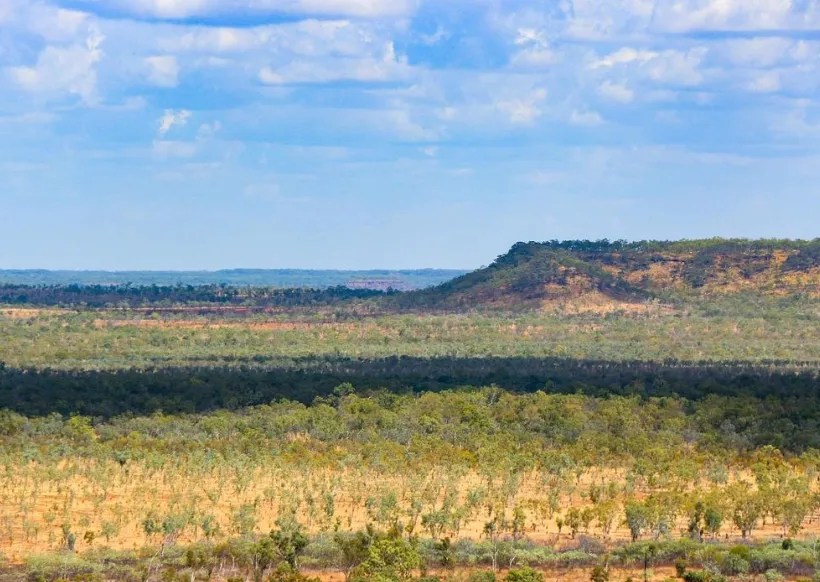
Arnhem Land is to the east of Kakadu and is a vast and remote area rich in indigenous culture and natural beauty. This is the Yolngu people’s country, one of the oldest cultures on earth. Access to Arnhem Land is restricted, and visiting requires a special permit or a guided tour such as the Kakadu Arnhemland tour. This exclusive access allows you to visit sacred sites, ancient rock art and rugged landscapes that few visitors get to see.
Injalak Hill is one of the highlights of Arnhem Land, where you can see some of the best rock art in the region. The Yolngu people are renowned for their traditional arts and crafts, and a visit to the Injalak Arts Centre is an opportunity to buy authentic Aboriginal art directly from the artists.
Flights and Cruises
For a different perspective on Kakadu’s scenery, take a Kakadu Scenic Flight. These flights offer stunning views of the park’s rugged escarpments, winding rivers and cascading waterfalls. From up high, you can really see the scale and beauty of Kakadu’s ancient landscape, including Jim Jim Falls, Twin Falls and the vast floodplains of the Alligator Rivers region.
Or stay low and get up close with a cruise on the Yellow Water Billabong or East Alligator River. The Yellow Water Cruise is famous for crocs, and the Guluyambi Cultural Cruise on the East Alligator River gives you the chance to learn about the local culture from a local guide. These cruises are a real favourite during the wet season when the rivers and billabongs are alive with life.
Day Trips and Extended Tours
While Kakadu has plenty to keep you busy for days, it’s also worth venturing out to the surrounding areas, Litchfield National Park and Nitmiluk National Parks. Litchfield is famous for its waterfalls, Florence Falls and Wangi Falls, and the magnetic termite mounds that cover the landscape. Nitmiluk, home to Katherine Gorge, is a different kind of adventure, with kayaking, hiking and ancient rock art.
For those who want to go deeper into the Top End, multi-day tours like the Kakadu National Park Day Tour, Kakadu Top End Tour and the Litchfield & Kakadu Tour are the way to go. These tours include visiting sacred sites, rock art galleries, and wildlife spotting, all with knowledgeable guides who can share the history and culture of the area.
Accommodation in Kakadu
Kakadu National Park has a range of accommodations to suit all budgets and styles. Whether you prefer a comfortable hotel or a more basic camping experience, there’s something for you.
- Mercure Kakadu Crocodile Hotel: Located in Jabiru, this crocodile-shaped hotel has comfortable rooms, a swimming pool, and a restaurant that serves local food. Great base for the northern part of the park.
- Cicada Lodge: For a more luxurious stay, Cicada Lodge in Nitmiluk National Park has elegant rooms with views of Katherine Gorge. Perfect for those who want to visit Kakadu and Nitmiluk.
- Travelodge Resort Darwin: If you’re starting your journey from Darwin, the Travelodge Resort Darwin has comfortable rooms and is close to the city’s attractions, including Mitchell St Darwin and Esplanade Darwin City.
- Kakadu Camping Tour: For those who want to be closer to nature, camping is an option. The Kakadu Camping Tour is a more immersive experience; you’ll sleep under the stars and wake up to the sounds of the Australian bush.
Tips for Your Adventure
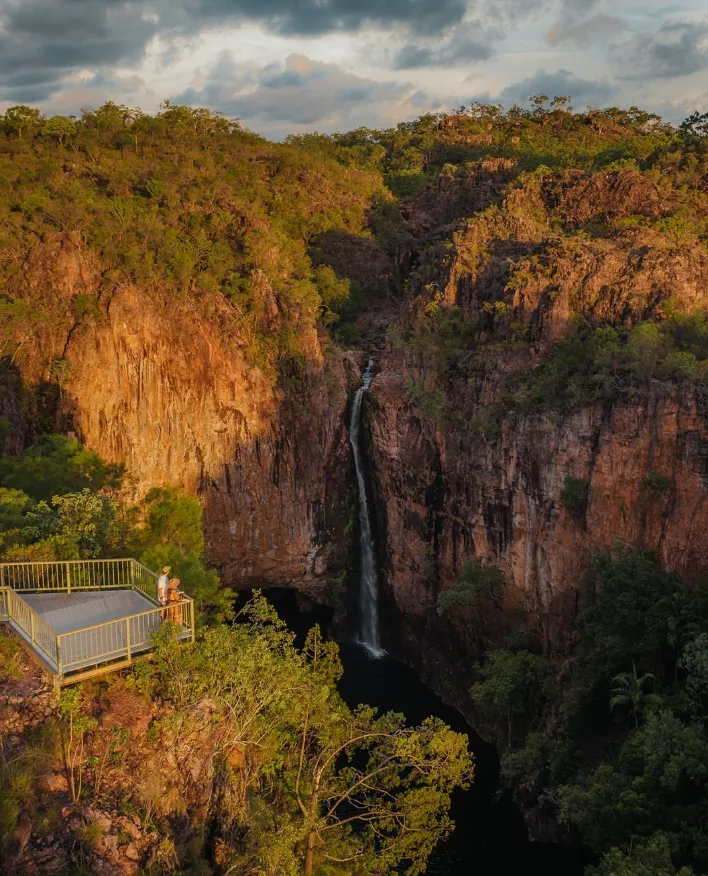
- Plan Ahead: Kakadu is huge, and some areas are only open at certain times of the year due to weather. The dry season (May to October) is the best time to visit as the roads and trails are more accessible, and the weather is milder. But the wet season (November to April) is beautiful in its own way, with lush landscapes and thundering waterfalls.
- Respect the Culture: Kakadu is a living cultural landscape, and many areas are sacred to the Aboriginal people. Always follow the signs and guidelines and consider taking a guided Kakadu tours to learn more about the significance of these sites.
- Stay Safe: The tropical summer in Kakadu can be hot and humid, so make sure to stay hydrated and wear the right clothes. If you’re hiking, make sure to bring a day pack with essentials like water, sunscreen, insect repellent and a first aid kit. Be aware of your fitness level and choose trails that are suitable for you.
- Wildlife Caution: Kakadu is home to many wild animals, including some deadly ones like crocodiles. Always follow the signs, and don’t swim in areas that are not designated as safe.
- Pack Insurance: Whether you’re hiking the rugged landscapes of Kakadu or cruising the Yellow Water Billabong, it’s a good idea to have personal travel insurance. This will cover you in case of rain, sickness or other external events that might disrupt your travel plans.
Conclusion
Kakadu is a one-of-a-kind destination. From hidden waterfalls and ancient rock art to rich culture and stunning landscapes, it’s a place of endless adventure and discovery. Whether you’re hiking to a secluded waterfall, taking a scenic flight over the rugged escarpments or cruising a crocodile-infested river, Kakadu will be an experience you’ll never forget. With some planning and respect for the land and its people, your journey through Kakadu will stay with you long after you get home.
FAQ
The dry season (May to October) is the best time to visit the waterfalls as the tracks are more accessible and the weather is nicer. But the wet season has its own beauty with more dramatic waterfalls and green landscapes.
Are the tracks to these waterfalls suitable for beginners?
Some tracks, like Motor Car Falls, are moderate and suitable for most people, while others, like Graveside Gorge, are more challenging and require a good level of fitness.
Can I swim in the pools?
Yes, many of Kakadu’s waterfalls have natural pools where you can swim. Always check the safety signs for water levels and crocodile sightings before swimming.
Do I need a permit to visit Kakadu National Park?
Yes, visitors to Kakadu National Park must purchase a park pass for the park’s maintenance and conservation. If you’re visiting Arnhem Land, you’ll need a special permit.
What to bring?
Bring water, sun protection, good hiking shoes, a map or GPS and a first aid kit. A camera or phone is also good for taking photos. If you’re in the wet season, bring a rain jacket and be prepared for slippery tracks.